



Heart Attack: Why Every Minute Matters
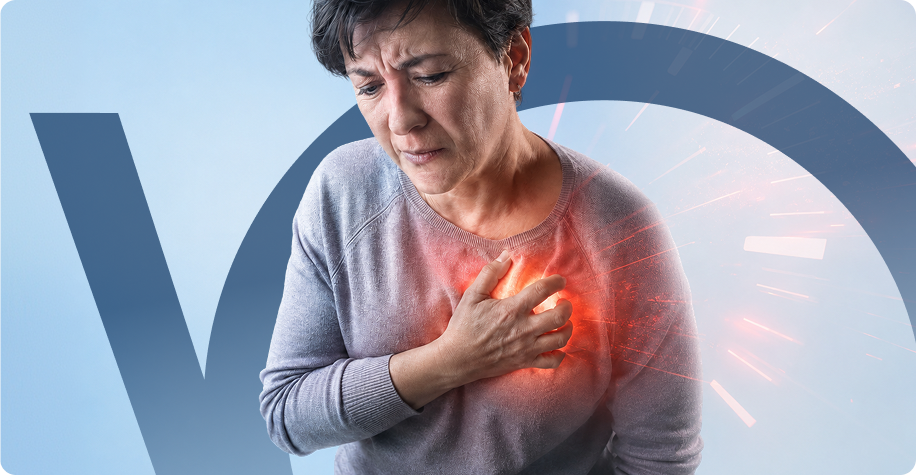
During a heart attack, every minute makes a difference. Find out which symptoms you should not ignore and why timely specialized medical care is essential.
Cardiovascular disease is responsible for nearly 18 million deaths each year, making it a top cause of mortality. However, many heart attacks can be prevented, and when they do occur, acting quickly can change the outcome.
During a heart attack, part of the heart muscle stops receiving the oxygen it needs to function properly. “Every minute that passes without treatment is muscle we lose,” explains Gustavo Bastianelli, head of the cardiovascular surgery and heart transplant department at the Hospital Alemán in Buenos Aires, Argentina.
That’s why receiving medical care within the first few hours of the event can help preserve heart muscle and improve the chances of recovery.
Symptoms You Should Not Ignore
Many people believe a heart attack always begins with severe chest pain. However, according to the specialist, this is not always the case. In some cases, symptoms are gradual or are attributed to stress, fatigue or other seemingly harmless causes.
Warning signs can include:
❂ Chest pain or tightness
❂ Shortness of breath
❂ Irregular heartbeat
❂ Unusual fatigue
❂ Reduced tolerance for physical exertion
❂ Discomfort that may be mistaken for heartburn or digestive problems
That’s why Dr. Bastianelli emphasizes a simple recommendation: “Listen to your heart. If you feel that something isn’t right or notice symptoms that are different from what is usual, it’s best to see a doctor.”
What Happens Inside the Heart During a Coronary Event
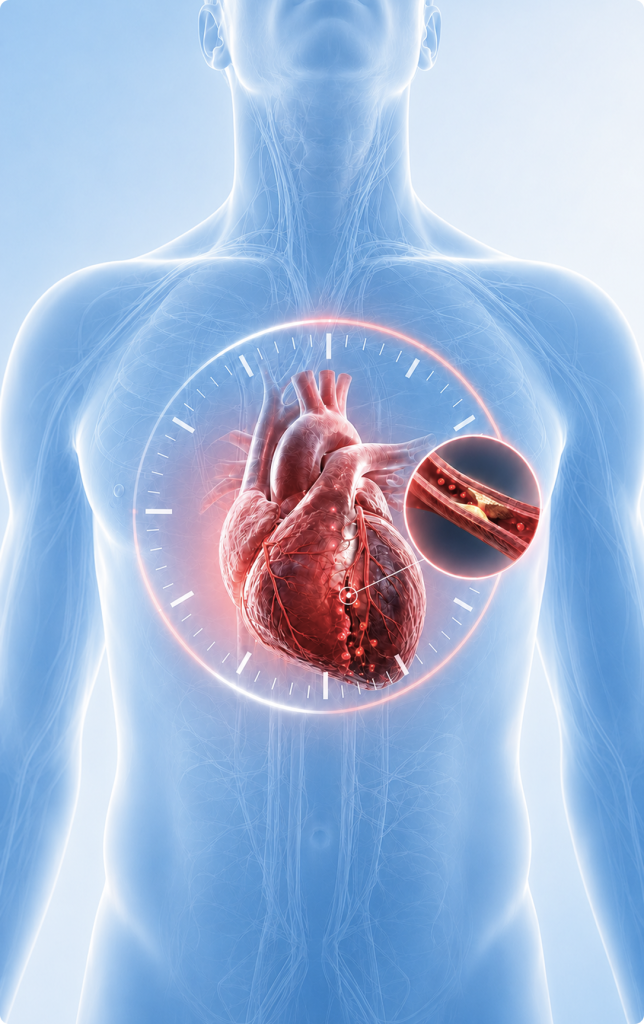
When a coronary artery becomes blocked, part of the heart stops receiving the blood and oxygen it needs to function properly. From that moment on, the race against time begins.
According to Dr. Bastianelli, not all heart cells react the same way to an oxygen deficiency. Some cells remain alive, though not functioning normally, while others enter a temporary state of “hibernation,” where they stay alive but have a reduced ability to contract.
If blood flow is restored quickly, some tissue can recover. However, when the blockage lasts too long, some cells begin to die. That damage can be irreversible.
Time not only affects the patient’s survival, it can also determine how much heart muscle is preserved and how effectively the heart will function after the event.
It’s not enough to arrive at a facility quickly; getting the right treatment as quickly as possible matters too
In the event of a potential cardiac emergency, seeking immediate and highly specialized medical care is key to the outcome.
“An ambulance can arrive at a location very quickly. But if that location isn’t the right one, the time we lose within that facility impacts the patient’s subsequent recovery,” says Dr. Bastianelli.
The sooner this diagnosis can be made and appropriate treatment begun, the greater the chances of restoring blood flow and preserving heart muscle. That’s why, in addition to acting quickly, it’s essential to have access to specialized hospitals, professionals experienced in cardiology, and services that facilitate timely care when every minute counts.
With VUMI®, you have access to care when you need it most, including:
❂ Emergency medical transport (air and ground ambulances)
❂ World-class cardiac centers
❂ Top cardiology specialists both in your country of residence and abroad
❂ Second medical opinions from international experts
❂ Preventive medical checkups
❂ And much more.

Prevention remains the best strategy
Although some risk factors, such as family history, cannot be changed, many others are within our control.
Among the main factors associated with cardiovascular disease are:
❂ High blood pressure
❂ Diabetes
❂ Obesity and unhealthy eating habits
❂ A sedentary lifestyle
❂ Smoking
According to Dr. Bastianelli, walking 30 to 40 minutes a day can help reduce cardiovascular risk. In addition, regular medical checkups are also important, since some heart diseases can develop without obvious symptoms for years.
If you’d like to learn more about diagnosis and decisions that can change the outcome, check out our webinar on coronary artery disease.