Home » Health & Wellness » Pulsed field ablation: the future of arrhythmia treatment
Pulsed Field Ablation: An Advanced Treatment for Cardiac Arrhythmias
Atrial fibrillation is the most common sustained arrhythmia and can increase the risk of complications such as stroke. One treatment option is pulmonary vein ablation, a procedure that can be performed using electrical fields. In this article, we explain how this technique works and the potential benefits it offers.
What is cardiac arrhythmia?
Cardiac arrhythmia is an electrical disorder of the heart. In simple terms, a normal heart rate is between 60 and 100 beats per minute. The heart of an arrhythmia patient beats differently and can cause serious problems.
Not all arrhythmias pose a serious health risk. Some may cause only mild symptoms—or no symptoms at all—while others can increase the risk of complications such as heart failure, stroke, or sudden cardiac death.
There are different types of arrhythmia:
❂ Bradyarrhythmia: characterized by a slow heart rate (usually less than 60 beats per minute).
❂ Tachyarrhythmia: characterized by a high heart rate (generally more than 100 beats per minute).
❂ Ventricular: this compromises the heart’s pumping function and can be more serious.
Depending on the type of arrhythmia, patients may experience mild symptoms that do not interfere with their normal lives. They can also develop serious, life-threatening conditions which include:
Rapid palpitations
Dizziness
Syncope (temporary loss of consciousness caused by a sudden decrease in blood flow to the brain)
Shortness of breath
Weakness
Heart failure
Stroke/embolism
Sudden death
Some of these symptoms can also occur during other cardiovascular emergencies. For this reason, any new or unusual heart-related symptom should be evaluated by a healthcare professional.
Atrial fibrillation is the most common sustained arrhythmia. Characterized by an irregular and ineffective atria rhythm, it can cause irregular heartbeats that could increase the risk of complications, such as stroke.
Atrial fibrillation occurs in 3 to 5% of people over 65 and in 10% of people over 80. It’s also the most common cause of Emergency Room visits and hospital admissions for arrhythmia.
Age, high blood pressure, diabetes, obesity, and other cardiovascular conditions can increase the risk of developing atrial fibrillation. That is why preventing and managing these risk factors remains essential for maintaining good heart health.
This type of arrhythmia is a potentially serious condition:
❂ Increase the risk of death by 1.5 times in men and 1.9 times in women
The following are used for treatment of arrhythmia:
❂ Antiarrhythmic drugs, which are often not very effective and can cause side effects
❂ Pulmonary vein ablation, a highly effective treatment now considered the most reliable way to treat this type of arrhythmia
Pulmonary vein ablation with electric fields
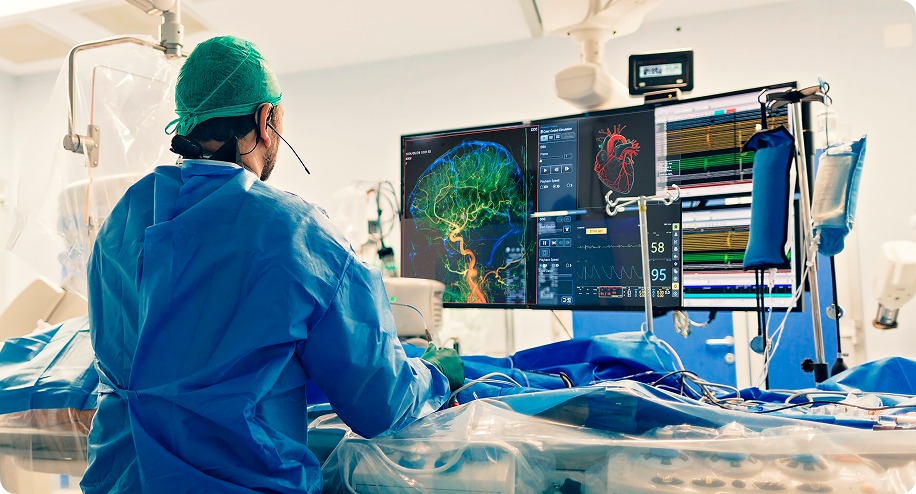
“In this procedure, a catheter is inserted into the heart where the electrical function is out of control or behaving abnormally. It is then cauterized,” explains Dr. Ignacio García-Bolao, director of the Department of Cardiology and Cardiac Surgery at the Clínica Universidad de Navarra.
According to Dr. Garcia-Bolao, the treatment performed at Clinica Universidad de Navarra uses electric fields that selectively cauterize the necessary tissue. This makes treatment extremely safe, unlike techniques performed in other medical centers that employ thermal energy to burn tissue using heat or cold without selectivity. This can result in a long procedure with a high risk of complications.
“Imagine that I have a skin lesion I want to treat. If I apply heat and go too far, I reach the bone and can cause damage. That’s what happens with thermal energy – it’s not selective,” explains Dr. García-Bolao.
According to the information provided by Clínica Universidad de Navarra, ablation of pulmonary veins with electric fields is between 85 and 90% effective and is quite convenient for the patient due to its speed and ease of recovery:
❂ Average procedure time of 36 minutes
❂ Hospital stay of 24 hours
❂ Complications < 0.8%
❂ 87% of patients free of arrhythmia at one-year follow-up
With VUMI®, you have access to world-renowned cardiology centers of excellence, including the Clínica Universidad de Navarra, considered Spain’s top hospital and one of the world’s leading institutions. This medical center is a pioneer in the treatment of pulmonary vein ablation with electric fields, a practice that is not yet widely performed.
In addition, you have VIP benefits that include:
❂ Access to some of the world’s best hospitals and cardiac specialists
❂ Second medical opinion conducted by international experts