



Obesity: Why Losing Weight Isn’t
Enough and How to Access Proper Treatment
For years, the conversation around obesity has focused on a single goal: losing weight. However, we now know that this goal alone may fall short.
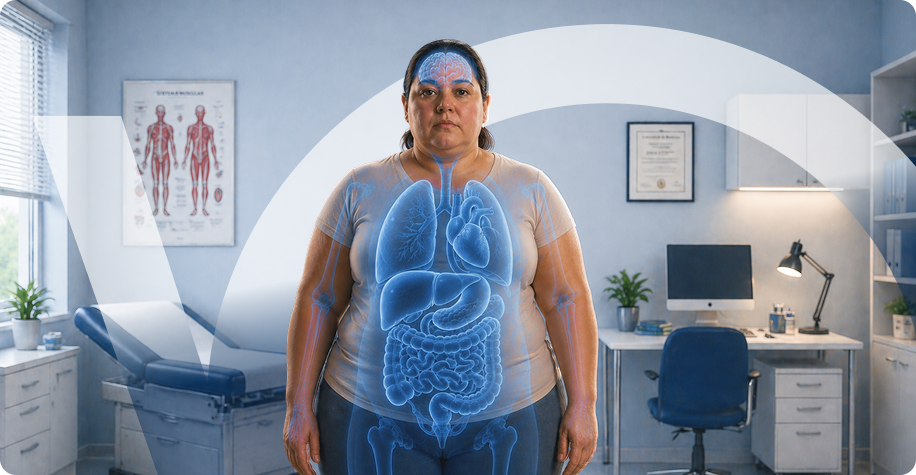
Obesity is not just about body weight. It is a complex, chronic and multifaceted disease that affects multiple systems in the body. When understood this way, the approach to treatment also changes.
As Dr. Fernando Pérez Galaz, director of the Gastro Bariatric Clinic at Centro Médico ABC Santa Fe, in Mexico, explains, “Obesity is not a weight disease. It is a disease characterized by excess body fat, not excess weight.”
That’s precisely why the goal of treatment isn’t simply to lower the number on the scale. It’s also to improve metabolic health and reduce the risk of related conditions, including type 2 diabetes, high blood pressure, and cardiovascular disease.
Obesity Is a Growing Global Chronic Disease
Obesity is one of the leading public health crises worldwide, with a growing impact in Latin America. It is a multifaceted and heterogeneous condition, meaning there is no single cause or solution. Among the factors that contribute to it are:
Internal causes:
- Genetics (more than 1,200 associated genes)
- Biological factors (hormones, underlying conditions)
- Psychological factors (anxiety, depression)
External causes:
- Environment and food culture
- Stress
- Sedentary lifestyle
- Lack of sleep
Its impact is directly reflected in mortality—and that’s not all:
❂ Obesity is associated with more than 200 medical complications
❂ It can significantly reduce life expectancy
❂ It increases mortality risk by up to 276% in Class III obesity
❂ There is a major gap in care: “Less than 40% of cases are diagnosed, less than 20% receive evidence-based treatment, and less than 1.3% receive medication,” the specialist explained.
It’s Not Just About Weight, but Body Fat (and Where It’s Stored)
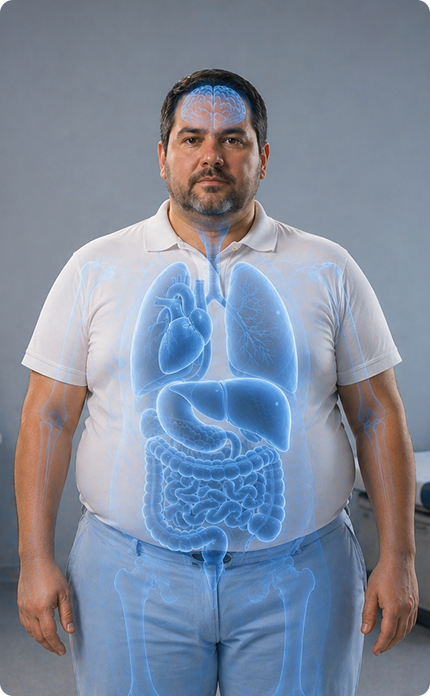
Two people can have the same weight—or even the same body mass index (BMI)—and still face completely different health risks.
The difference lies in body composition, especially visceral fat, which accumulates in the abdominal area and is directly linked to:
❂ Type 2 diabetes
❂ Cardiovascular disease
❂ Liver disease
In fact, measuring waist circumference is key. A patient has a higher cardiometabolic risk if they have:
❂ More than 90 cm (35 in) for men
❂ More than 80 cm (31.5 in) for women
That’s why lowering the number on the scale doesn’t always mean improving health. The real goal of obesity treatment is to reduce body fat—especially visceral fat—and improve metabolic health.
Reducing visceral fat not only supports better metabolic health, but it may also help lower the long-term risk of cardiovascular disease. Learn why every minute counts during a heart attack and explore coronary artery disease, including its risk factors and available treatment options.
Why Diet and Exercise Are Not Always Enough
“Eat less and move more” remains common advice. And while it is essential, it is not always enough in cases of obesity.
In more advanced stages, the body develops biological mechanisms that make weight loss more difficult and promote weight regain. In fact, the probability of reaching a normal weight through diet and exercise alone is about 1 in 1,290.
This doesn’t mean healthy habits don’t matter—it means obesity requires a more comprehensive and personalized approach, focused on:
❂ Reducing health risks
❂ Improving metabolic control
❂ Preventing chronic diseases
❂ Increasing quality of life and life expectancy
Obesity Treatment: A Comprehensive and Personalized Approach
Modern obesity treatment combines multiple strategies and should always be tailored to the individual: “the right treatment for the right person at the right time.”
These may include:
❂ Nutrition and physical activity
❂ Psychological support
❂ Pharmacological treatment
❂ Bariatric surgery (in specific cases)
Bariatric surgery, for example, can achieve remission of type 2 diabetes in 60% to 88% of cases and reverse hypertension in nearly 90% of patients.
In addition to promoting body fat loss, helping manage diabetes, and improving high blood pressure, these outcomes also contribute to lowering the patient’s overall cardiovascular risk.
This comprehensive approach allows obesity to be treated for what it is: a chronic disease that requires ongoing medical care.
Access to Specialized Care: A Key Difference in Latin America
In many countries across Latin America, access to timely diagnosis and specialized obesity treatment remains limited.
Having the right support also makes a difference. With VUMI®, you gain access to a comprehensive approach to obesity management, including:
❂ Specialists in obesity and metabolic health
❂ Coverage for bariatric surgery when medically indicated
❂ Preventive check-ups that help detect risks early
This access can make a significant difference in disease progression and overall quality of life.