


MR-LINAC: Precision Technology
for Cancer Treatment
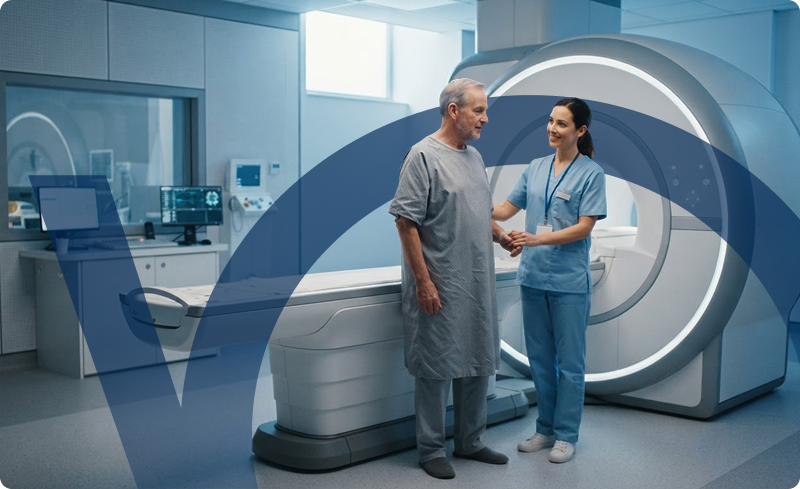
When you receive a cancer diagnosis, the first thing you want to know is what options are available. Advances in oncology have led to increasingly precise treatments, especially when a tumor is located near sensitive organs or may change position during treatment.
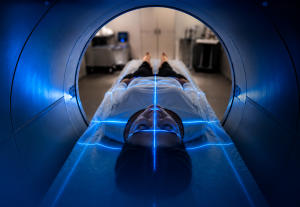
One of these technologies is MR-LINAC, a system that combines magnetic resonance imaging with a linear accelerator to obtain images of the area being treated during radiation therapy. “Conventional radiation therapy treats a snapshot. This technology treats the patient every day, as they are that day,” explains Dr. Walter Vázquez Rivas, a radiation oncologist at Hospital Universitario Fundación Jiménez Díaz.
What Is MR-LINAC?
MR-LINAC is a magnetic resonance-guided radiation therapy technology. Unlike proton therapy, which uses protons to deliver radiation, MR-LINAC combines magnetic resonance imaging with a linear accelerator. These are different technologies, but both are part of the same field of innovation in cancer treatment.
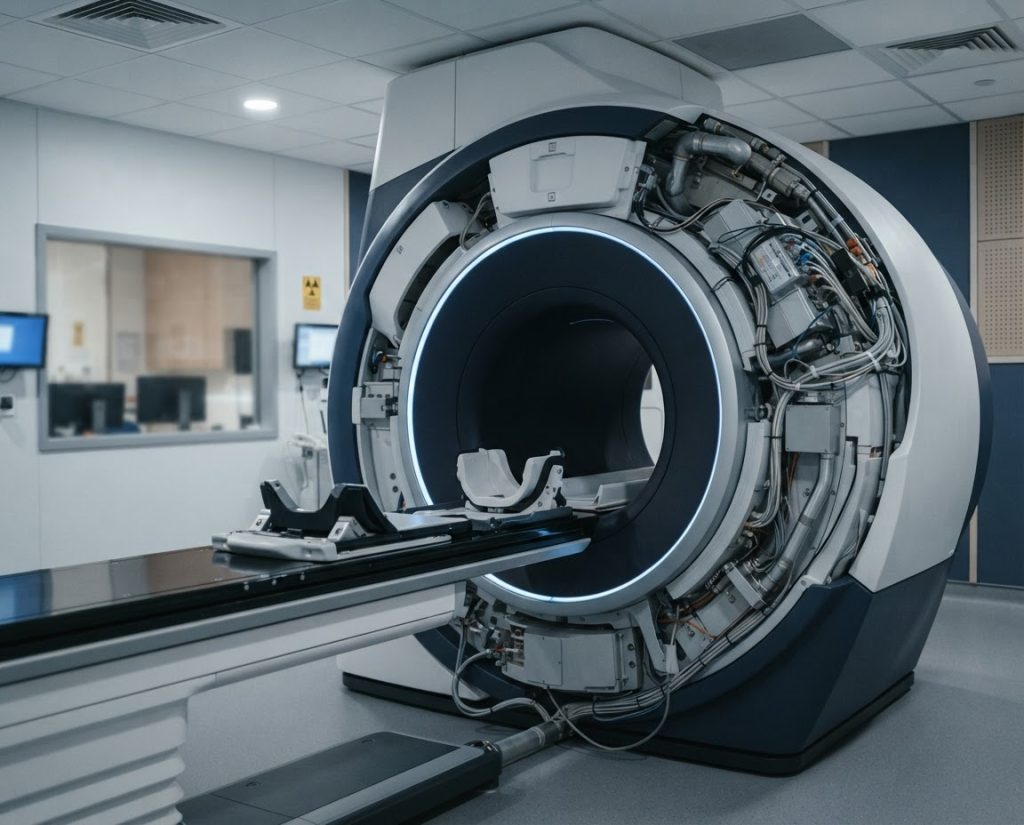
The system combines a 1.5-tesla MRI with a 7-MV linear accelerator, making it possible to obtain images of soft tissues during treatment.
As Dr. Walter Vázquez Rivas explains, one of the key aspects of this technology is moving from radiation therapy based on a fixed image to an approach that takes into account the changes in the patient’s anatomy and updates the treatment plan based on the anatomy of the day.
Why Is It Important to See the Tumor During Treatment?
The body does not remain exactly the same from one day to the next. Organs in the abdomen and chest can shift with breathing and digestion, while factors such as bladder filling, weight loss or tumor shrinkage can change the anatomy.
These changes can be particularly relevant when the tumor is close to organs that need to be protected during radiation therapy. Given this uncertainty, conventional treatments may require wider safety margins, which can increase exposure to healthy tissue.

How Does MR-LINAC Radiation Therapy Work?
The process can be understood in four steps:
1. Visualize
An MRI image is obtained with the patient positioned for treatment.
2. Compare
The medical team analyzes the position of the tumor and nearby organs.
3. Adapt
If the anatomy has changed, the treatment plan can be reoptimized to match the conditions of that day.
4. Treat
Radiation is delivered while the treatment area continues to be monitored with MRI.
In addition, the MRI used for monitoring does not add the radiation dose associated with X-ray imaging.
What Benefits Can MR-LINAC Offer?
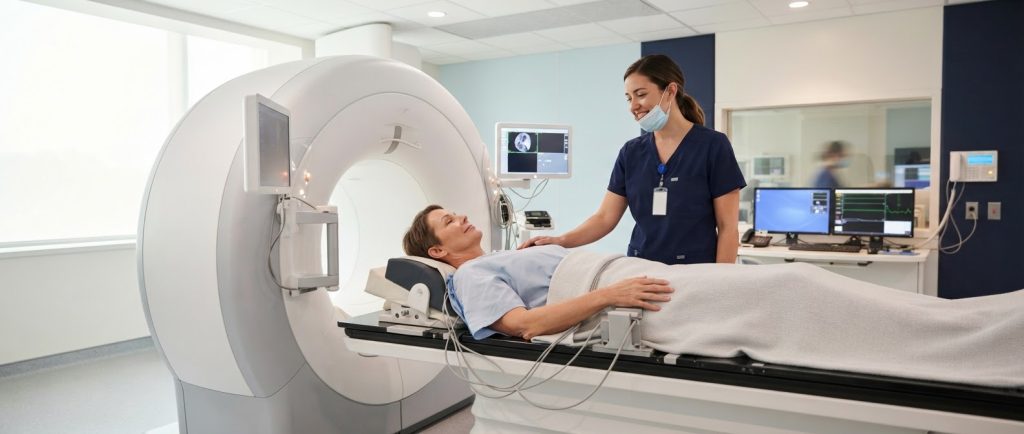
The goal of this technology is not to deliver a higher dose of radiation, but to deliver it more precisely. Iván Escobar Corominas, from the Quirónsalud Proton Therapy Center, sums up the idea this way: “It does not shoot harder; it shoots more precisely.”
THE CLINICAL ASPECTS ASSOCIATED WITH THIS TECHNOLOGY INCLUDE:
Greater precision.
The image obtained makes it possible to verify the target during treatment and adjust the treated volume to preserve nearby healthy tissue.
Adaptation to the treatment day.
The treatment plan can be adjusted to account for changes in the patient’s anatomy.
Fewer sessions in certain cases.
Adaptive radiation therapy may make it possible to concentrate treatment into fewer sessions in some cases.
What Types of Cancer Can It Be Used For?
Although the indication should be determined by the medical team based on the characteristics and location of the tumor and the individual patient’s circumstances, some of its most common uses include:
Prostate.
The position of the prostate can vary depending on the fullness of the bladder and bowel. It is also located close to the rectum and urinary sphincter.
Pancreas.
The tumor’s proximity to the intestine is one of the factors considered when planning treatment.
Liver and lung.
Breathing-related movement can shift the tumor during treatment.
Rectum, kidney, and adrenal glands.
Lymph nodes and oligometastases.

The Value of International Access to Specialized Treatments